
Reducing the burden of bowel cancer by understanding it’s causes, improving early detection, and increasing participation in life-saving screening programs.
Around 99 per cent of people with bowel cancer survive if it is identified early. With appropriate screening, the disease is largely preventable. Despite this, bowel cancer remains the second highest cause of cancer related death in Australia.
Professor Mark Jenkin’s group aims to identify people at risk of developing colorectal cancer and increase participation in the National Bowel Cancer Screening Program. Raising this rate by even 20 per cent would prevent an additional 25,000 bowel cancer related deaths over the next 25 years – saving 20 lives a week.
Professor Jenkins’ group is also seeking to understand the best way to manage people with a genetic predisposition for bowel cancer, while identifying the most effective treatments and prognoses for people with the disease.
They use an innovative mix of precision genomics technologies and epidemiological research, identifying genetic markers of bowel cancer.

The Precision Prevention and Early Detection of Colorectal Cancer Group works closely with research institutes, government, and advocacy organisations – utilising specialist knowledge to improve early intervention and form targeted prevention strategies.
Our research
The international Colorectal Cancer Family Registry Cohort
Professor Jenkins is Principal Investigator of the Colorectal Cancer Family Registry Cohort – the world’s largest cohort study of colorectal cancer causes and outcomes. The registry is a resource that enables researchers to monitor colorectal cancer across multiple generations and identify genetic and environmental causes, applying new technologies such as genomic sequencing to family members with and without colorectal cancer.
The information has been utilised in multiple major studies assessing the spectrum of risk, prognosis, and quality of life, making it possible to identify new genes that predispose people and families to colorectal cancer. For example, the information held in this registry made it possible to develop an online colorectal cancer risk predictor tool called CRISP, which allows general practitioners to estimate a patient’s individual risk of developing colorectal cancer earlier, and with greater precision.
The Bowel Cancer Screening Alliance
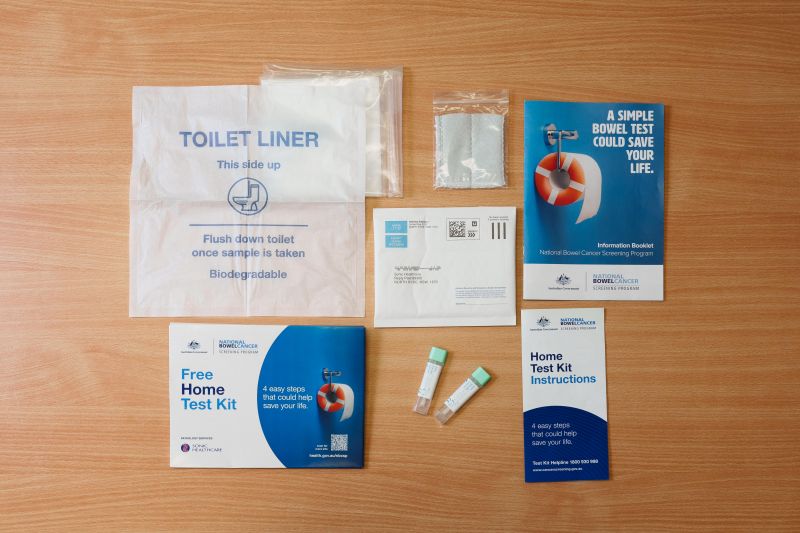
Professor Jenkins is Chief Investigator of the Bowel Cancer Screening Alliance (BCSA). Launched with a $5 million NHMRC synergy grant, the alliance is an Australia-wide collaboration working to increase participation in the National Bowel Cancer Screening Program.
It uses co-design to address issues holding people back from getting the test such as bowel cancer risk awareness, procrastination, and language barriers. The project trials new methods to identify which combinations of interventions increase participation, and in which segments of the population they are most effective.
Based on this research, investigators envisage a future screening program that delivers the home-test-kit in the most effective way to maximise participation based on age, gender and location.
Other projects
-
Professor Mark Jenkins co-founded the International Mismatch Repair Consortium in 2010 to bridge gaps in critical research. The project includes major groups across the world who are dedicated to researching and treating Lynch Syndrome.
The consortium was facilitated by the International Society for Gastrointestinal Hereditary Tumours (InSiGHT) and the Collaborative Group of the Americas on Inherited Colorectal Cancer (CGA). It includes approximately 231 members from 138 centres/clinics in 29 countries throughout Africa, Asia, Australasia, Europe, North and South America, all of whom provide clinical care and/or conduct research on Lynch Syndrome families.
The group has published findings highlighting the important role of risk modifiers, which could lead to personalised risk assessments for precision prevention and early detection of colorectal cancer for people with Lynch Syndrome.

Bowel cancer is Australia’s second deadliest cancer despite being largely treatable if detected early. The big problem is most people do not screen, so too many cases are not detected soon enough. Our research endeavours to increase screening participation through a range of strategies, with the ultimate aim of saving lives. Professor Mark Jenkins
Latest News

Watch our seminars
Watch our seminars on-demand, highlighting our work across the Collaborative Centre for Genomic Cancer Medicine.
Contact and more information
Professor Mark Jenkins
Centre for Epidemiology and Biostatistics Research
m.jenkins@unimelb.edu.au
+61 3 8344 0902